In the world of engineering materials, selecting the right substance is crucial as it directly impacts project success. Tungsten and steel, two widely used metallic materials, each possess distinct advantages. This article provides an in-depth analysis of their differences in weight, strength, durability, applications, and cost-effectiveness, serving as a detailed reference guide for engineers, designers, and material selectors.
Tungsten: The High-Density, High-Strength Champion
Tungsten (chemical symbol W) is renowned for its exceptional physical properties. With a density of 19.3 g/cm³—approximately 2.5 times that of steel—this metal offers superior mass-to-volume ratio. Its tensile strength reaches an impressive 500,000 psi (pounds per square inch), far exceeding both aluminum and steel. These characteristics make tungsten indispensable in aerospace, electronics, and medical applications.
Key Properties of Tungsten
-
Exceptional Density: Tungsten's high density provides outstanding mass concentration and compression resistance, making it resistant to deformation.
-
Superior Tensile Strength: Its tensile strength surpasses ordinary steel by multiples, enabling it to withstand extreme stretching forces without fracturing.
-
Remarkable Heat Resistance: With a melting point of 3,422°C (6,192°F), tungsten maintains structural integrity in high-temperature environments, making it ideal for rocket nozzles and welding electrodes.
-
Electrical Conductivity: While tungsten conducts electricity well, its relatively high resistivity makes it effective for converting electrical energy into heat and light in applications like filaments.
-
Corrosion Resistance: Tungsten resists degradation from acids, alkalis, and salts, ensuring longevity in harsh environments.
Applications of Tungsten
Aerospace: Tungsten's density and strength make it perfect for rocket nozzles, turbine blades, and counterweights. Its ability to withstand extreme temperatures and pressures ensures reliable performance in propulsion systems.
Electronics: The metal's conductivity and heat resistance facilitate its use in filaments, electron tubes, and X-ray tubes. Tungsten filaments in incandescent bulbs maintain structural integrity while emitting bright light at high temperatures.
Medical Technology: Tungsten's density provides excellent radiation shielding for X-ray targets and radiotherapy equipment. Its ability to generate high-energy X-rays makes it valuable for diagnostic imaging.
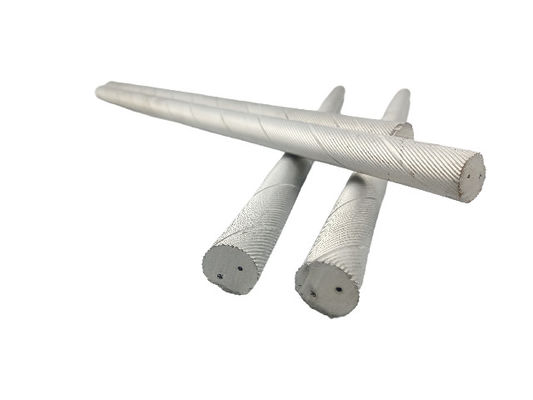
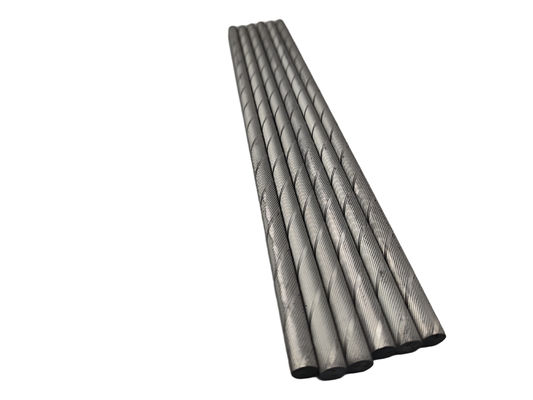
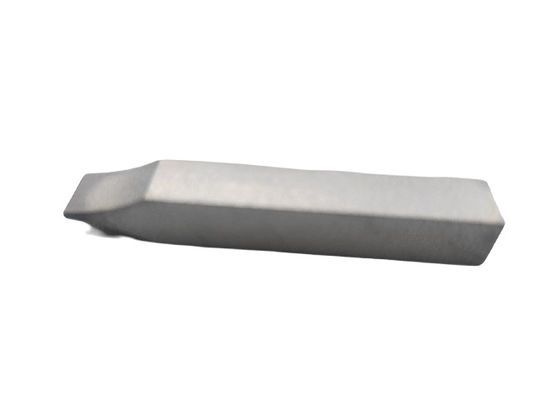
Industrial Uses: Tungsten appears in carbide tools, welding electrodes, and precision weights. Tungsten carbide composites create exceptionally hard, wear-resistant cutting tools and dies.
Steel: The Versatile, Cost-Effective Workhorse
Steel, an alloy of iron and carbon with additional elements for enhanced properties, comes in numerous varieties including carbon steel, alloy steel, and stainless steel. Known for its strength, machinability, and affordability, steel remains fundamental to construction, manufacturing, and automotive industries.
Types and Characteristics of Steel
Carbon Steel: Classified by carbon content (0.0218%-2.11%), these steels range from low to high carbon variants. While increased carbon boosts strength and hardness, it reduces plasticity and toughness. Carbon steel dominates structural applications in buildings and machinery.
Alloy Steel: Enhanced with elements like manganese, chromium, or nickel, these steels achieve improved strength, toughness, or corrosion resistance. They're essential for high-performance mechanical components and tools.
Stainless Steel: Containing at least 10.5% chromium, stainless steels form protective oxide layers that prevent rusting. Their corrosion resistance, heat tolerance, and aesthetic appeal make them ideal for food processing, medical devices, and architectural features.
Applications of Steel
Construction: As the backbone of modern architecture, steel offers high strength-to-weight ratios, seismic resilience, and rapid construction timelines for skyscrapers, bridges, and stadiums.
Manufacturing: Steel forms the basis of machinery production, influencing equipment performance through its strength, hardness, and wear characteristics.
Automotive Industry: Vehicle chassis, bodies, and engines rely heavily on steel's structural integrity, rigidity, and safety properties.
Infrastructure: Railways, ships, pipelines, and appliances all depend on steel's versatility and reliability.
Comparative Analysis
Weight: Tungsten's Density Advantage
Tungsten's 19.3 g/cm³ density versus steel's 7.9 g/cm³ means tungsten provides 2.5 times more mass per unit volume. This proves valuable for:
-
Aerospace counterweights balancing aircraft and spacecraft
-
Radiation shielding in medical and nuclear applications
-
Sports equipment like golf club weights for improved swing dynamics
Strength: Tungsten's Superior Tensile Performance
Tungsten's 500,000 psi tensile strength dwarfs standard steels, making it preferable for:
-
Cutting tools requiring extreme hardness and wear resistance
-
High-pressure molds for precision manufacturing
-
Rocket components enduring intense thermal and mechanical stress
Durability: Specialized Strengths
While tungsten excels in hardness and wear resistance, steel offers better impact absorption and fatigue resistance. Stainless steel provides superior corrosion protection, influencing material selection for:
-
Marine environments where stainless steel resists saltwater corrosion
-
Mining equipment requiring tungsten's abrasion resistance
-
Automotive suspensions benefiting from steel's vibration damping
Cost-Effectiveness: Steel's Economic Edge
Steel's lower production costs make it economically favorable for large-scale projects like buildings and infrastructure. Tungsten's higher price becomes justifiable in specialized applications where performance outweighs cost considerations, such as aerospace components or medical radiation equipment.
Selection Criteria
When choosing between tungsten and steel, consider:
-
Operational Environment: Temperature extremes favor tungsten; corrosive conditions may require stainless steel.
-
Performance Needs: Maximum strength suggests tungsten; machinability might favor steel.
-
Budget Constraints: Large-volume projects often default to steel for cost efficiency.
Conclusion
Both materials serve critical engineering roles with distinct advantages. Tungsten's unparalleled density and strength suit specialized high-performance applications, while steel's versatility and affordability maintain its dominance in mainstream industries. The optimal choice depends on carefully evaluating technical requirements against practical constraints.


 Mesajınız 20-3.000 karakter arasında olmalıdır!